
A clean-looking Jellycat plush can still fail an auction decision if tag photos are missing, odor is present, or the model identity is wrong. Before bidding, reselling, or consigning, inspect it as inventory: verify what it is, record condition, and decide whether to pass, disclose, research, group, or decline.
Are Jellycat plush toys suitable for auction resale?
Jellycat plush toys can suit resale or auction consignment when they have verifiable tags, clean fabric, no persistent odor, clear model identification, and comparable sold listings. Condition and authenticity usually matter more than sentimental ownership claims.
Which Jellycat stuffed animals are easier to evaluate for resale?
Jellycat stuffed animals are easier to evaluate when the model name, size, color, and tag presentation can be matched against recent sold listings or retailer references. Common bunnies, dragons, Amuseables, and retired designs with readable sewn labels give a cataloger a better starting point than an untagged plush described only as “soft bunny” or “Jellycat-style toy.”
- Consider for individual resale: clean examples with intact tags, recognizable model identity, stable shape, and clear photos.
- Research before listing: retired designs, unusual sizes, seasonal pieces, and plush toys with uncertain names but strong tag evidence.
- Group in a lot: common used plush toys with minor wear, missing paper tags, or limited individual value.
When should a Jellycat plush toy be declined for auction consignment?
A Jellycat plush toy should be declined when hygiene, verification, or sale economics create more risk than value. Treat smoke, mildew, pet contamination, damp storage smell, insect evidence, exposed stuffing, and undisclosed repairs as serious problems.
- Pass: tag evidence is absent and the model cannot be identified with confidence.
- Decline: odor remains after airing, fabric feels damp or sticky, or stuffing is exposed.
- Disclose or lot: minor matting, light surface soil, or missing swing tags if the sewn label remains readable.
How should a buyer or seller inspect Jellycat tags before purchase or consignment?
A buyer or seller should inspect the brand swing tag, sewn fabric label, care label, model clues, and consistency with known examples for the item’s release period, especially for online purchases, estate lots, and high-demand plush toys with incomplete photos.
What tag photos should a Jellycat buyer request before bidding?
Request clear, unfiltered tag photos in natural light, with the tag flat enough to read and the plush positioned so tag placement can be seen.
- Full front of the swing tag: photographed straight on.
- Back of the swing tag: showing barcode, product information, sticker residue, retailer marks, or wear.
- Sewn fabric brand label: close photo showing “Jellycat” and the stitching edge.
- Care label stack: every page, since material, market, and safety text may be split across folds.
- Tag placement photo: one wider image showing where the label sits on the plush body.
What care-label details help verify Jellycat stuffed animals?
Care labels can support identification, but one label style should not be treated as proof for every Jellycat stuffed animal. Authentic labels can vary by age, market, size, and production run, and used labels may be softened, curled, or faded.
Useful details include the brand name, material description, safety wording, manufacturing or distribution text, and washing guidance. Jellycat publishes official care and safety guidance on its Safety & Care page, which is useful when a seller claims a plush was cleaned, machine washed, tumble dried, or altered.
For auction intake, photograph the care label even when the swing tag is missing. A readable sewn label can still support cataloging, grouping, and condition disclosure.
What tag issues should be treated as warning signs, not automatic proof of a fake?
Tag problems are risk signals unless several inconsistencies point in the same direction. Missing swing tags, faded fabric labels, clipped care labels, or price-sticker residue may reflect ordinary use, gift handling, or estate storage.
- Research further: mismatched model name, odd size claim, unclear barcode, or tag photos that avoid the sewn label.
- Disclose clearly: missing swing tag, ink wear, curled care label, detached tag string, or retailer sticker residue.
- Consider passing: poor printing, misspelled brand text, relabeled seams, inconsistent materials, or a seller refusing basic tag photos.
How do fabric, stuffing, seams, and shape affect Jellycat plush toy value?
Fabric, stuffing, seams, and shape affect resale value because buyers expect the plush to retain its recognizable texture, posture, softness, and stitching integrity. Compare the item against model-specific photos rather than a generic plush-toy condition scale.
What fabric wear should be documented on Jellycat plush toys?
Fabric wear should be photographed close enough that a bidder can judge texture. A bunny with matted ears, a dragon with roughened wing fabric, or an Amuseable with pilling may still be saleable, but the wear changes the description.
- Matting: flattened or clumped plush on ears, cheeks, belly, feet, and handled areas.
- Thinning: visible backing fabric, sparse nap, or worn patches.
- Discoloration: yellowing, gray handling soil, uneven fading, or color transfer.
- Pilling and pulls: fiber balls, snagged threads, or roughened fabric accents.
- Surface damage: rubbed nose fabric, scratched plastic eyes, frayed whiskers, or worn embroidery.
Model-specific comparison matters because Jellycat stuffed animals use different pile lengths, slouch, and textures. Compare the item with verified product photos and sold listings with clear condition notes.
What seam and stuffing problems matter most at auction intake?
Seam and stuffing problems matter most when the plush no longer holds its intended shape or when damage could worsen during handling. Flag loose limb seams, open back seams, detached tails, loose accessories, exposed stuffing, old repairs, flattened bellies, twisted heads, collapsed necks, lumpy torsos, and distorted posture.
Small seam stress can sometimes be disclosed and sold, especially on a scarce retired model, but exposed stuffing or a widening split may justify declining the item or grouping it in a lower-value lot. Use plain language such as “hand-stitched repair at left arm seam,” “stuffing visible at lower back,” or “flattened from storage.”
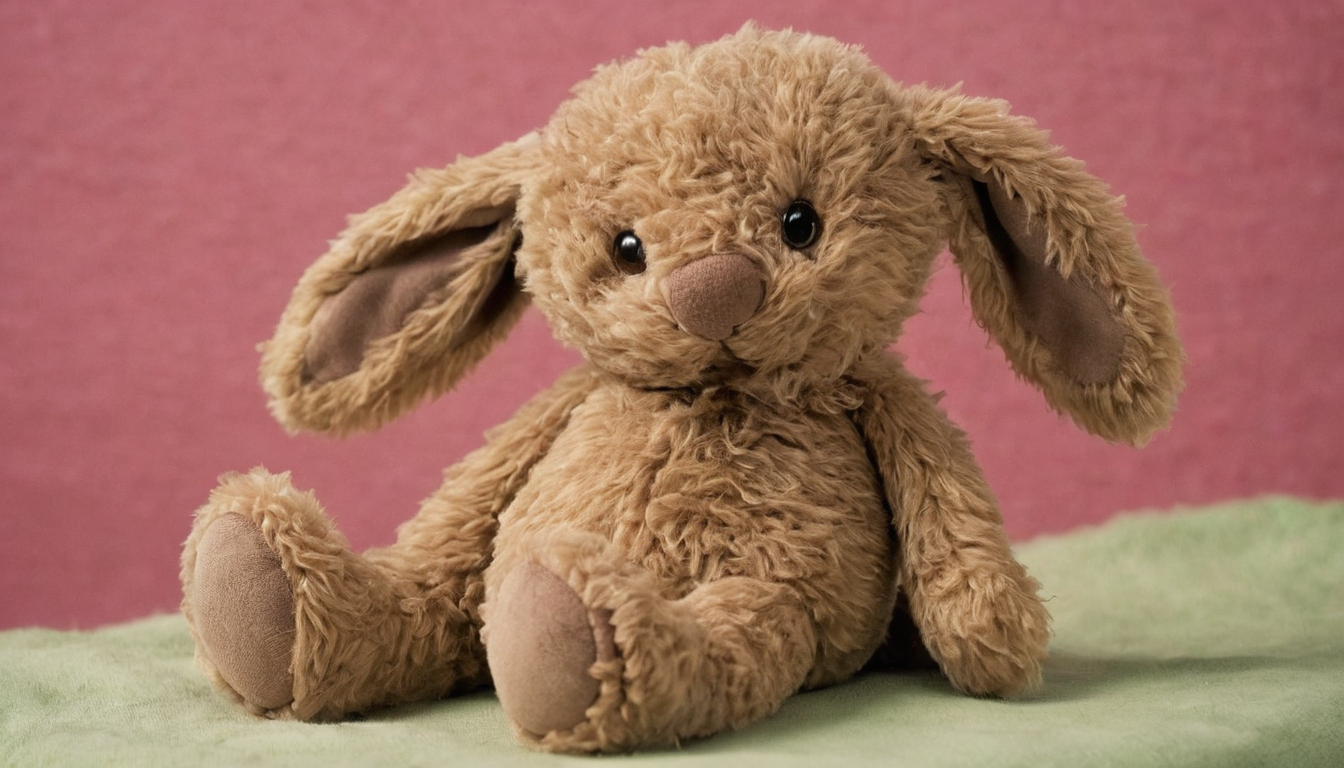
How do fabric, stuffing, seams, and shape affect Jellycat plush toy value shown as an editorial planning reference.
How should cleanliness and odor be judged on Jellycat stuffed animals?
Cleanliness and odor should be judged conservatively because plush can absorb smoke, perfume, pet odor, mildew, storage smells, and surface grime. Sellers should disclose odors and visible staining instead of relying on aggressive cleaning that may damage fabric, tags, or stuffing.
What odors create the highest resale risk for plush toys?
Smoke odor creates high resale risk because plush pile, stuffing, sewn labels, and paper swing tags can hold stale tobacco or fire-related smell even when photos look clean. Use “smoke-free home” only if storage history is known.
Mildew and damp-storage odor should be treated more seriously than ordinary dust because moisture can affect stuffing, seams, and paper tags before staining appears. Pet odor and perfume also matter, and heavy fragrance can suggest an attempt to mask another odor. Use direct language such as “light storage odor,” “noticeable perfume,” or “smoke odor present”.
What cleaning should be avoided before consigning Jellycat plush toys?
Cleaning should start with the sewn care label and official Jellycat guidance. Photograph the care label before any cleaning attempt, since a softened, faded, or curled label can reduce buyer confidence.
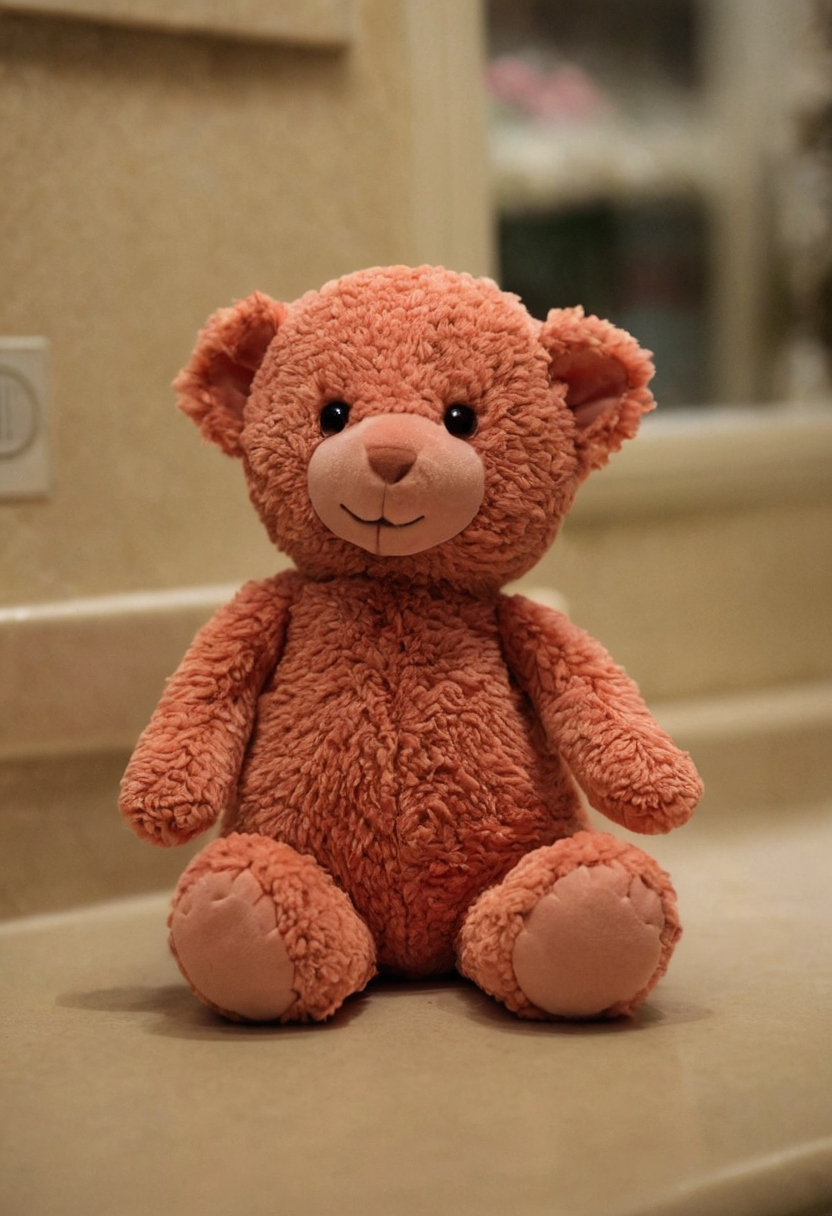
How should cleanliness and odor be judged on Jellycat stuffed animals shown as an editorial planning reference.
- Avoid heat drying because heat can distort synthetic fibers, shrink labels, and change fabric feel.
- Avoid soaking when tags, sound inserts, firm components, or dense stuffing are present.
- Avoid bleach, harsh detergents, and stain scrubbing because they can lighten fabric, roughen pile, or leave rings.
- Avoid heavy brushing because it can pull fibers and make wear more obvious.
Scented cleaners can complicate resale notes. The U.S. Environmental Protection Agency identifies cleaning products as a common indoor source of volatile organic compounds and recommends ventilation during use for products that emit them, so strong cleaner smell should be disclosed. See the EPA’s guidance on volatile organic compounds.
How can a buyer check Jellycat authenticity without relying on one clue?
A buyer should check authenticity by combining tag inspection, model comparison, seller history, photo quality, price context, and provenance. This multi-signal approach works best online because counterfeit or misidentified plush toys may look convincing in one photo but fail across several verification points.
How do you verify a Jellycat plush toy before paying?
Ask for fresh photos, not stock images. A useful seller should show the full plush from the front, back, side, face, feet or base, swing tag, sewn brand label, care label, and flaw areas under normal light.
- Compare face shape, fabric texture, limb placement, and proportions against known photos of the same model.
- Ask for a ruler or tape measure photo, especially when size names are often confused.
- Check whether the title, tag, and description name the same character, color, and size.
- Treat missing tag photos, “Jellycat style” wording, and repeated stock photos as risk signals.
- Prefer payment and platform terms that allow a dispute if the plush arrives materially different from the listing.
How can misidentified Jellycat bunnies and other plush toys affect value?
Misidentification can make a fair listing look expensive or make a scarce plush look ordinary. Jellycat bunnies are a common problem because similar colors, sizes, ear fabrics, and release periods can blur together in photos. Dragons and Amuseables can also be listed under loose names that do not match the actual model.
Model names matter because buyers compare like with like. A small bunny described as a larger size, a beige plush described as a rarer color, or a repaired plush described as retired without proof can distort bidding expectations.
What documentation should a consignor prepare for Jellycat plush toys?
A consignor should prepare photos, tag images, measurements, purchase history, storage history, cleaning disclosures, and a written condition note before offering Jellycat plush toys to an auction house. This is especially useful for estate-sale lots, collector downsizing, and online consignment.
What photos should be included in a Jellycat auction lot?
Photos should let the auction house identify the model, judge condition, and answer buyer questions without repeated follow-up. Photograph each plush in steady natural light on a clean surface, with no filters and no cropped tags.
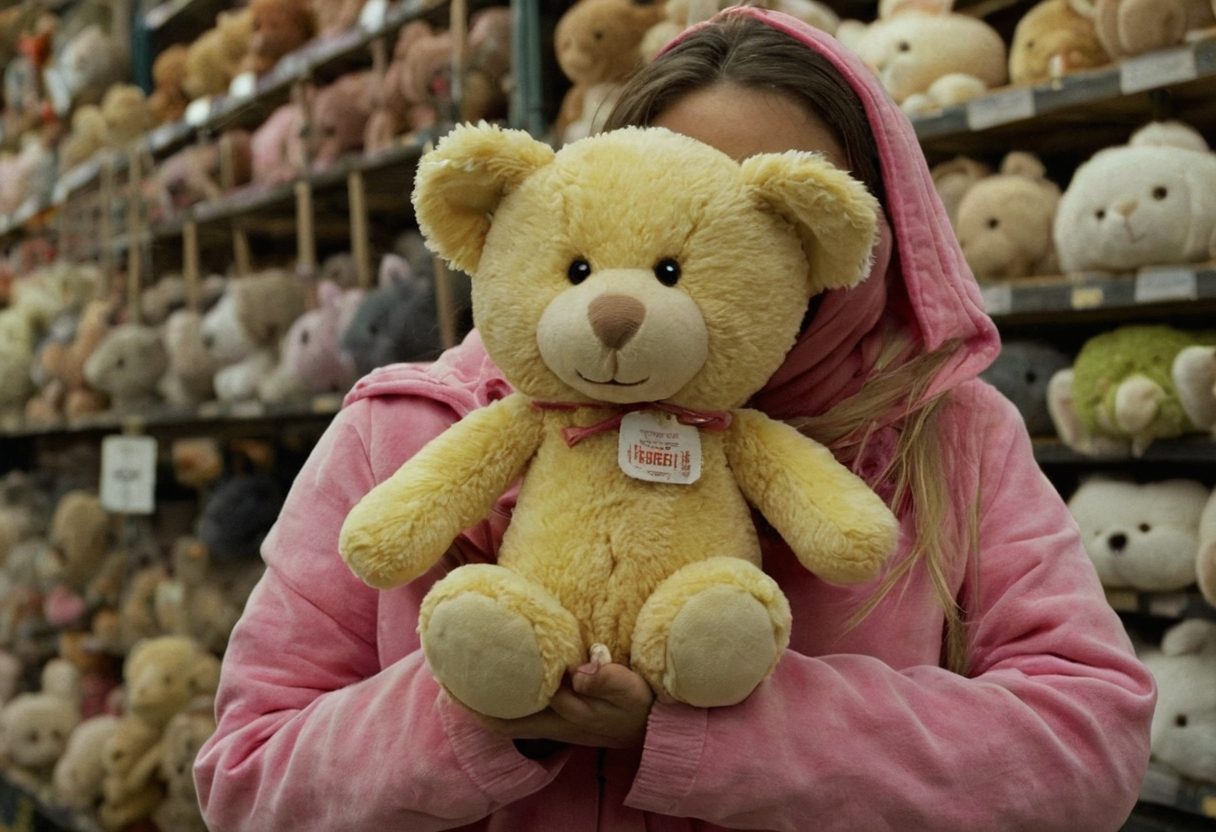
What documentation should a consignor prepare for Jellycat plush toys shown with practical context cues.
- Front, back, left side, right side, and underside views.
- Close photo of the face, nose, eyes, ears, feet, tail, and textured fabric.
- Sewn brand label, care label, and any paper swing tag, shown flat and readable.
- Known flaws, including stains, matted pile, seam stress, repairs, rubbed fabric, or flattened stuffing.
- Scale reference, such as a ruler beside the plush.
- Group photo if several Jellycat stuffed animals will be sold as one lot.
Consignors with larger collections should keep a simple inventory number beside each plush in the file name or written list. The National Park Service Museum Handbook is an official reference for managing, preserving, documenting, and using museum collections, and that conservative documentation habit translates well to collectible plush intake.
What condition language should sellers use for Jellycat stuffed animals?
Use observable facts, not sales praise. Replace “excellent” with details a bidder can verify: “clean surface, no visible stains, paper tag attached, care label readable, light matting at ear tips.”
Useful disclosures include “from a smoke-free home if known,” “pet exposure unknown,” “paper tag removed,” “light storage odor,” “small seam opening at left arm,” “surface grime on underside,” or “no cleaning attempted by consignor.” If cleaning was done, name the method plainly. Do not claim “new” unless condition, original tags, and storage history support it.
What quick checklist should buyers and consignors use before a Jellycat auction decision?
A Jellycat auction decision should cover identity, tags, fabric, seams, odor, cleanliness, provenance, photos, and recent sold comparisons. For buyers, the checklist reduces overpaying risk; for consignors, it helps decide whether to sell individually, group in a lot, clean lightly, or decline consignment.
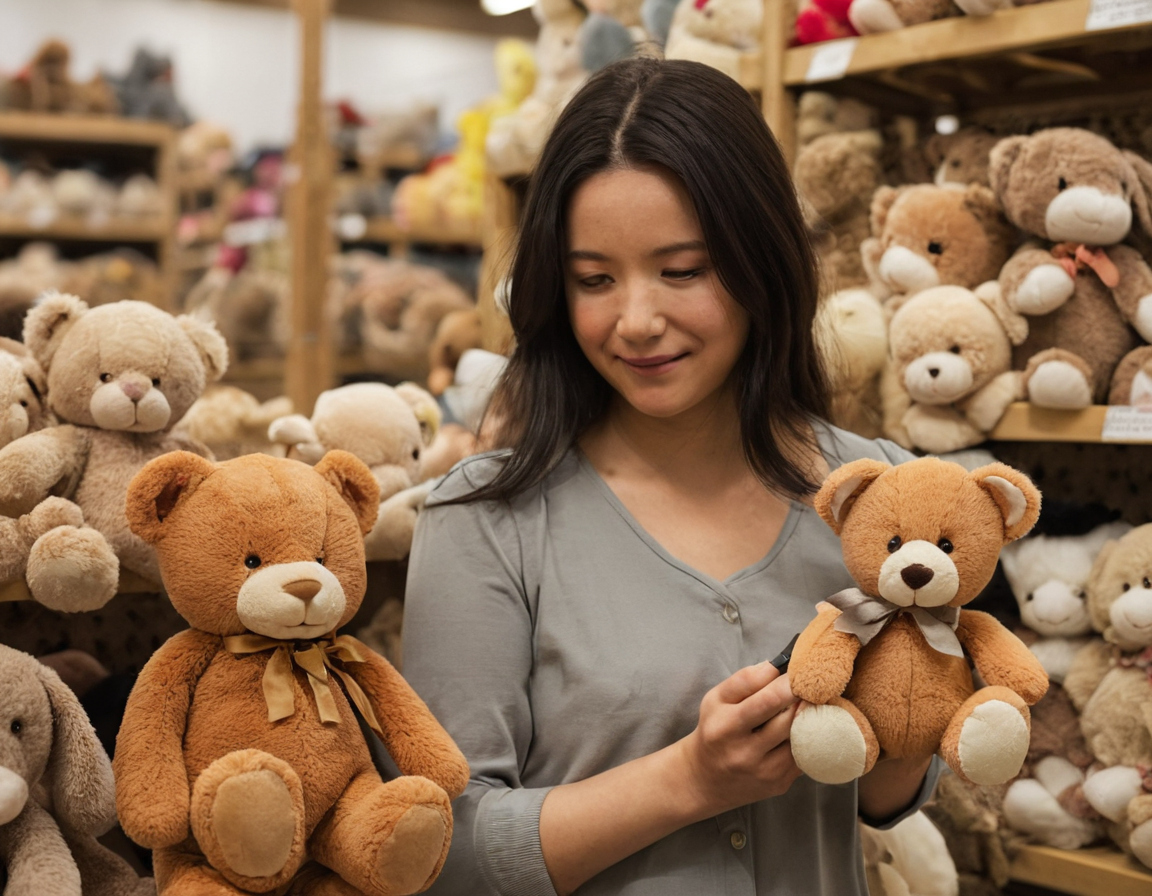
What quick checklist should buyers and consignors use before a Jellycat auction decision shown as an editorial planning reference.
What should be marked pass, disclose, research, or decline?
- Pass: model identity is clear, tags match the plush, fabric pile is even, seams are closed, stuffing holds shape, odor is neutral, and photos show the full item and tags.
- Disclose: minor matting, flattened belly, small surface marks, rubbed nose, light handling wear, missing swing tag, or storage creases.
- Research: uncertain model name, unusual tag combination, retired-looking design, odd proportions, or a “rare Jellycat bunny” claim.
- Group in a lot: common plush toys with moderate wear, missing paper tags, or low individual demand.
- Decline: strong smoke, mildew, damp-storage odor, exposed stuffing, active staining, unsafe repairs, suspected counterfeit status, or poor seller cooperation.
FAQ
How do you verify a Jellycat plush toy before buying online?
Request fresh photos of the full plush, swing tag, sewn brand label, care label, measurements, and flaw areas. Then compare the model name, proportions, fabric texture, and tag details against reliable examples before bidding.
How do you check the value of Jellycat plush toys for resale?
Compare the same model, size, color, tag status, and condition against recent sold listings. Do not compare a clean tagged plush with an untagged plush that has matting, odor, repairs, or uncertain model identity.
Are Jellycat bunnies worth consigning at auction?
Jellycat bunnies can be worth consigning when the model, size, color, tags, and condition are clear. Common used bunnies with missing paper tags or moderate wear may work better in a grouped plush lot.
Can Jellycat stuffed animals be cleaned before selling?
They can sometimes be lightly surface cleaned if the care label supports that method, but sellers should avoid heat, soaking, harsh detergents, bleach, and heavy brushing. Photograph tags and flaws before cleaning.
What tag or condition problems should make a buyer walk away?
Walk away from suspected relabeling, misspelled brand text, seller refusal to provide tag photos, strong smoke or mildew odor, exposed stuffing, active staining, unsafe repairs, or “Jellycat style” wording instead of a verifiable Jellycat identity.