
A crushed corner can upset a boxed collector, but a repaired neck can repel almost every bidder. The familiar rule that the box always matters most is too crude for Funko Pop figures. Auction value depends on permanence, completeness, authenticity risk, visibility, scarcity, and the type of buyer likely to compete.
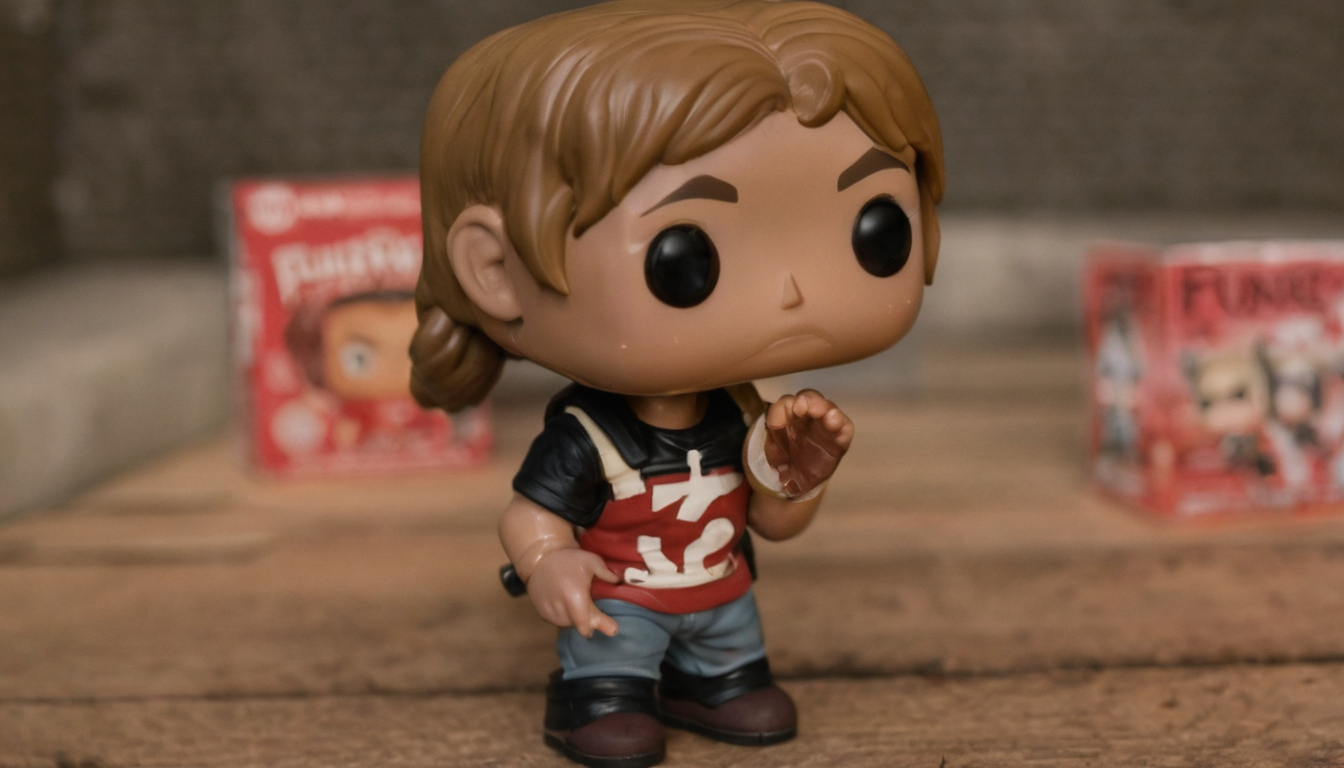
Funko Pop Box Damage or Figure Defect: Which Problems Matter Most at Auction shown with practical context cues.
Do box defects or figure defects matter more for Funko Pop figures at auction?
Permanent figure damage usually deserves a larger bid reduction than light box wear. Severe packaging damage can become decisive, however, when collectors prize display condition, an exclusive sticker, or a scarce box variant.
Permanent Funko Pop figure damage usually carries the greatest risk
- Suspected alteration: Repainting, replaced parts, or questionable materials create authenticity risk.
- Incompleteness: Missing stands, accessories, inserts, or detachable pieces reduce the eligible buyer pool.
- Permanent figure damage: Breakage, repairs, staining, and discoloration affect boxed and loose collectors.
- Severe box damage: Crushing, tears, detached windows, moisture, and heavy fading matter most in boxed or graded sales.
- Ordinary factory variation: Minor paint or molding differences require verification before anyone calls them valuable errors.
- Minor box wear: Small corner rubs and light edge wear usually carry the least risk, especially in group lots.
A scarce Funko Pop box or sticker can make packaging damage decisive
The order changes for a scarce convention, chase, or packaging variant. Confirm the box design, edition markings, sticker, figure, and accessories against official Funko listings. A missing, replaced, or unexplained sticker needs exact disclosure.
Matched sales must involve the same release, variant, completeness, condition, grading status, sale period, and lot format. Asking prices, mixed lots, and poorly photographed results are weak evidence. Once the release is identified, the severity of its box damage becomes easier to judge.
Which Funko Pop box defects have the greatest auction impact?
Structural failure, environmental exposure, and altered identifying features usually matter more than ordinary shelf wear. A soft corner is not equivalent to a torn window, crushed panel, moisture stain, or substituted box.
Cosmetic Funko Pop box wear is different from structural failure
Remove any protector for inspection because rigid plastic can conceal dents, bowed panels, and window separation. Use this compact diagnostic:
- Lower concern: Light corner rubs, edge whitening, and small surface scratches.
- Moderate concern: Creases, shallow crushing, bowed panels, and window dents.
- Higher concern: Tears, punctures, deep crushing, open seams, and detached windows.
- Identification concern: Missing stickers, altered stickers, mismatched inserts, or substituted boxes.
Moisture, fading, and odor create broader Funko Pop condition concerns
Moisture staining, waviness, fading, spotting, and persistent odor may involve the cardboard, printing, window, insert, and figure. The EPA identifies moisture control as central to mold control, but its general guidance is not permission to clean collectible packaging. Isolate a suspect box and document tide marks, color changes, spotting, and odor without guessing at the source or applying fragrances and solvents.
The National Park Service Museum Handbook provides broader guidance on documenting and protecting collections, although its recommendations must be adapted to the materials and sale context.
Missing or altered Funko Pop stickers require exact disclosure
A sticker can identify a variant rather than merely decorate the box. Describe it as lifted, torn, faded, detached, replaced, or unverified. A suspected sticker swap or substituted box moves the inspection beyond packaging condition and into figure authenticity.
Which Funko Pop figure defects change collectibility or authenticity?
Irreversible damage, instability, incompleteness, and unexplained modification create the greatest concern. Broken parts, repairs, discoloration, missing components, and undocumented paint changes require stronger disclosure than minor factory variation.
Factory variation is not automatically a valuable Funko Pop error
Paint overspray, alignment differences, paint transfer, and uneven assembly may be ordinary production flaws. Sellers should describe a recognized error only when release-specific evidence, repeatable examples, and matched completed sales support that description. An unusual detail without demonstrated demand is simply an unusual detail.
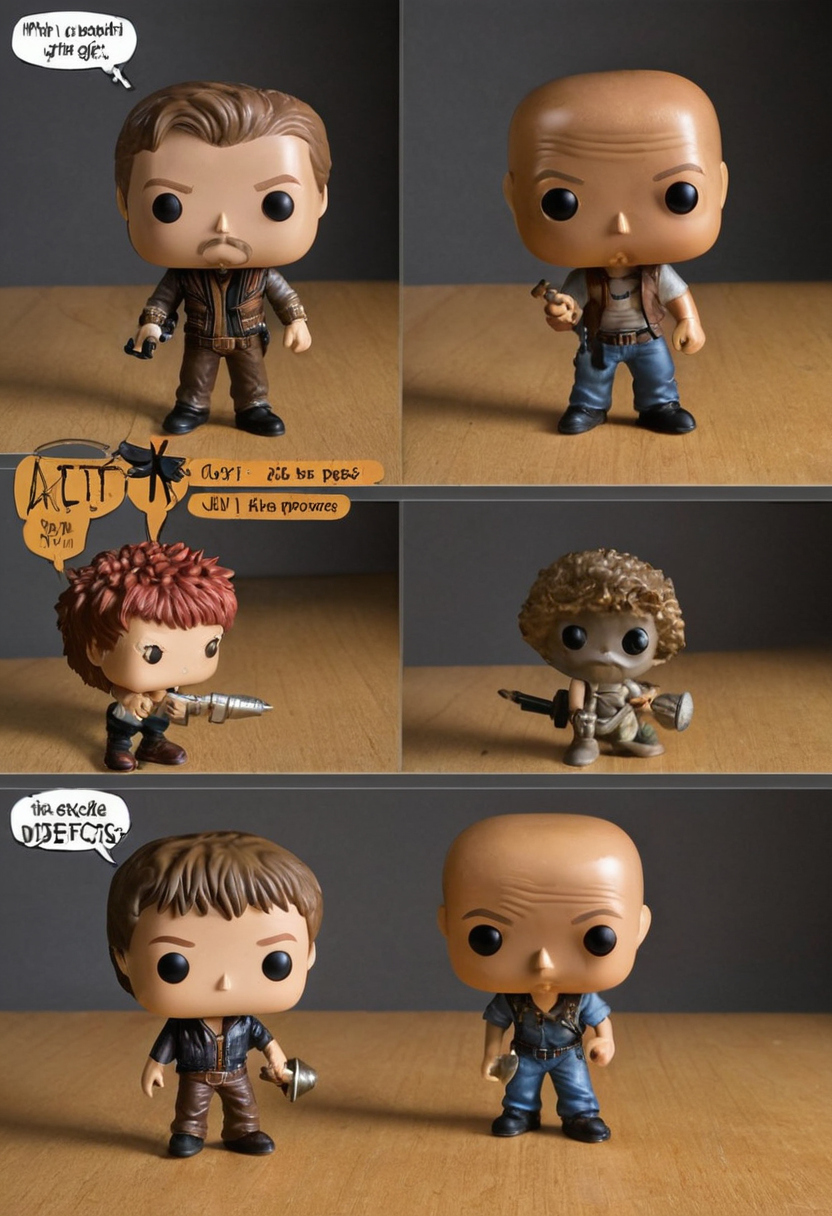
Which Funko Pop figure defects change collectibility or authenticity shown as an editorial planning reference.
Breakage, repairs, and missing parts materially change a Funko Pop lot
- Surface: Look for scratches, stains, yellowing, paint transfer, and discoloration under neutral light.
- Shape: Check for warping, leaning, loose pieces, and unstable bases without forcing moving parts.
- Structure: Disclose cracks, exposed glue, repaired joints, repainting, and replaced components.
- Completeness: Confirm the original stand, weapons, props, insert, and removable accessories.
- Modification: Identify swapped heads, custom paint, or materials inconsistent with an untouched example.
Altered or counterfeit Funko Pop figures require specialist verification
No single code, sticker, paint detail, or packaging feature proves authenticity. Compare the pose, materials, printing, insert, markings, and accessories together. Auction descriptions should distinguish confirmed alteration, suspected alteration, and authenticity not verified. Once condition and identity are separated, opening the box becomes a narrower issue.
Does opening a Funko Pop box reduce its auction value?
Opening a Funko Pop box does not create a universal value penalty. The practical questions are whether the correct figure, box, insert, stickers, stand, and accessories remain together, and whether handling caused creases, substitution, or alteration.
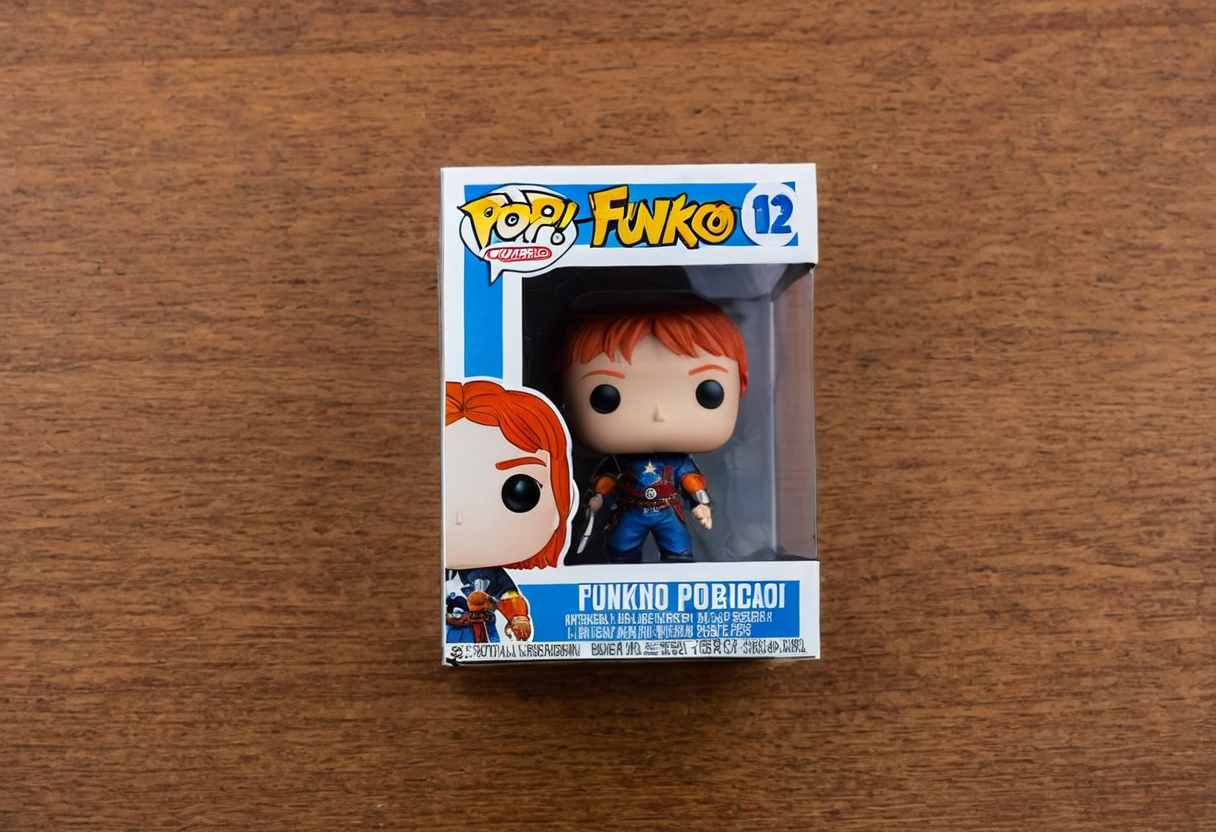
Does opening a Funko Pop box reduce its auction value shown with practical context cues.
Opened, loose, and incomplete Funko Pop figures are different conditions
An opened but complete Pop retains its original components. “Boxed” does not prove unopened status. A loose figure lacks its retail box, while an incomplete example lacks an original component. A box-swapped Pop pairs a figure with packaging from another example.
Check official photographs where available to determine how the release was packaged. Do not compare a loose sale with a damaged-box sale or treat either as evidence for an opened but complete example.
Funko Pop grading eligibility depends on the service and submitted condition
A grading service may evaluate the box, figure, authenticity, or a defined combination. Acceptance rules for opened packages, loose figures, tampering, and missing components can differ and change. Confirm the service’s current criteria before promising a grade or paying submission costs. That answer helps determine whether to consign the figure raw, submit it, or place it in a group lot.
How should sellers prepare damaged Funko Pop figures for consignment?
Sellers should document every defect before cleaning, flattening, gluing, repainting, or attempting sticker work. Potentially scarce variants deserve separate identification and photographs, while common damaged figures may suit a clearly disclosed group lot.
Photograph every Funko Pop defect before attempting any intervention
- Inventory the figure, box, insert, base, stand, and removable accessories.
- Verify the release, variant, stickers, and packaging against reliable catalog images.
- Photograph every panel, corner, window, sticker, code, component, and defect.
- Record creases, fading, odors, repairs, missing parts, and available provenance.
- Ask the auction house about lotting, reserves, commissions, insurance, restoration restrictions, and unsold lots.
For consequential damage, the American Institute for Conservation directory can help locate professionals by specialty and location. Match the specialist to the affected paper, plastic, paint, adhesive, or mixed materials.
The Funko Pop sale format should match condition and expected demand
Offer a scarce figure individually, place common damaged examples in a disclosed group, and separate valuable variants from mixed estate collections. Pack boxes without pressure, protect windows from abrasion, immobilize loose accessories, and keep vinyl away from heat. A reliable condition record gives buyers the information needed to set a rational ceiling.
How should buyers adjust bids for Funko Pop damage?
Buyers should start with matched completed sales and an all-in cost ceiling, not a generic damage discount. The maximum hammer bid must leave room for the buyer’s premium, applicable tax, shipping, insurance, currency conversion, optional grading, and unresolved condition risk.
A Funko Pop comparison must match the release and condition
Match the character, release number, edition, sticker, box version, figure version, completeness, authentication status, sale date, and lot format. Exclude canceled, relisted, bundled, suspicious, or poorly documented results.
Maximum hammer bid = all-in ceiling minus premium, applicable tax, shipping, insurance, conversion, and optional grading costs. Texas transactions can reach a combined 8.25% sales and use tax rate, but buyers should use the actual transaction rate rather than automatically applying the maximum, according to the Texas Comptroller.
Funko Pop buyer questions should target hidden or ambiguous defects
- Are there repairs, odors, moisture stains, fading, repainting, or altered stickers?
- Are the insert, stand, and accessories complete?
- Is the box original to this figure?
- What provenance or authentication support exists?
- What do the auction house’s condition-report, preview, return, and as-is terms permit?
If the answers remain unclear, lower the bid or pass. The better buying decision is not choosing boxes over figures. It is pricing the specific, documented risk instead of treating every defect as equal.
Frequently asked questions
Are damaged Funko Pop figures still worth anything at auction?
Yes. Value depends on release scarcity, demand, completeness, authenticity, damage severity, and sale format. Clear disclosure can make an individual sale or group lot practical even when pristine-condition buyers are unlikely to bid.
Does Funko replace damaged boxes or figures purchased from a retailer or reseller?
Replacement eligibility depends on Funko’s current policy, the seller, purchase channel, timing, and available stock. Check the Funko Support Center and contact the original retailer before assuming a box or figure can be replaced.